How AI is Reshaping the Travel Industry: From Personalization to Seamless Operations
Artificial Intelligence is no longer a futuristic concept in travel. From personalized trip planning and smart pricing to automated customer support, AI is transforming how we travel.
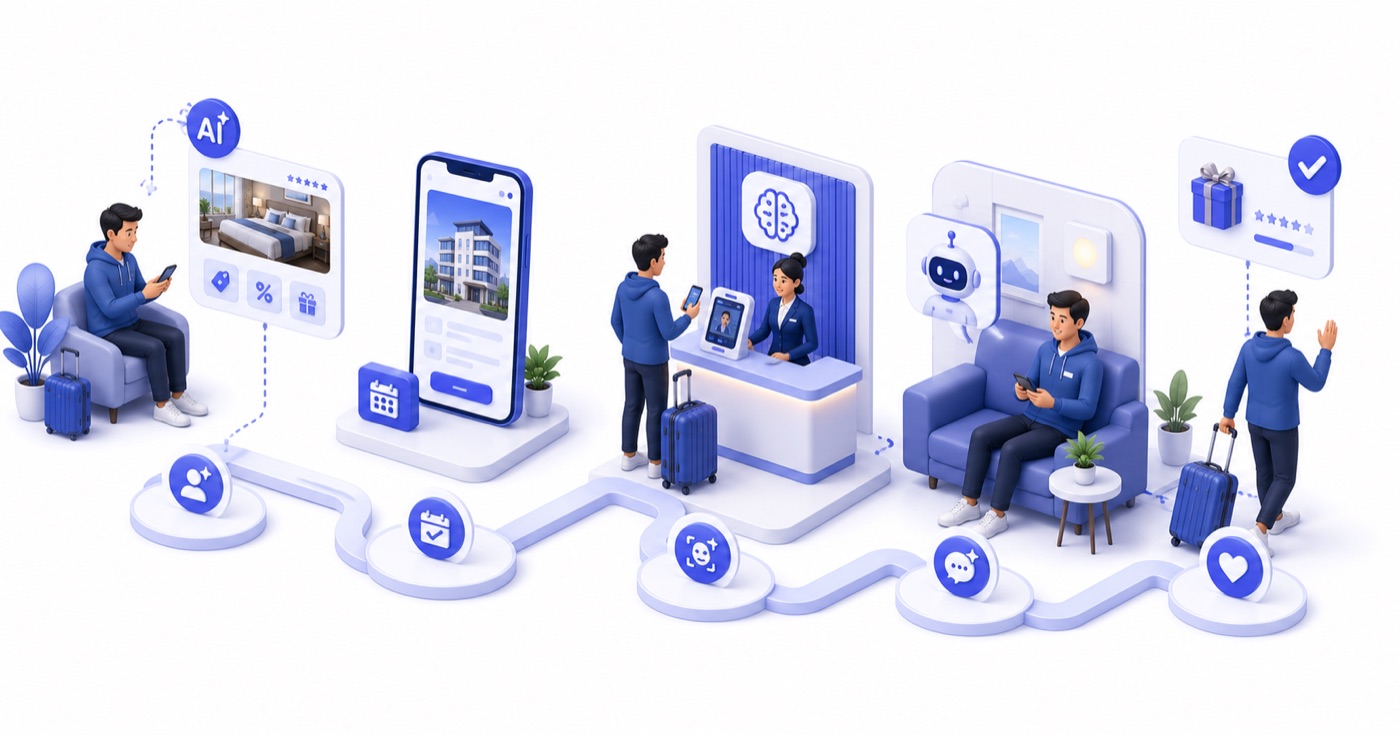
Table of Contents
Artificial intelligence has officially crossed the threshold from experimental novelty to core operational infrastructure in the global travel and hospitality sector. Moving beyond simple text chatbots, the industry in 2026 has embraced **autonomous AI agents**—intelligent systems capable of analyzing massive real-time data streams, dynamically updating pricing tariffs, orchestrating housekeeping schedules, and handling guest communication without manual intervention.
In 2026, the global AI market in travel and hospitality reached **$3.37 billion**, with **63% of enterprise travel operators and independent hoteliers** expanding their generative AI and machine learning investments. Rather than replacing human hospitality, AI functions as a **"silent operational co-pilot"**—eliminating back-office friction so hotel teams can focus on delivered human warmth.
---
1. Dynamic Pricing & Revenue Optimization Algorithms
Traditional hotel revenue management relied on static seasonal rate cards and manual competitor pricing updates once or twice a week. In volatile markets, this static approach causes severe revenue leakage—either underpricing rooms during unexpected demand surges or overpricing during localized lulls.
Modern AI revenue engines integrated into platforms like **Antena PMS** ingest hundreds of high-frequency external data variables every 15 minutes to adjust rates continuously:
```
+--------------------------------------------------------------------------+
| AI DYNAMIC PRICING ENGINE INPUT DATA |
+--------------------------------------------------------------------------+
| - Real-time Airport Inbound Flight Seat Capacity |
| - Regional Weather Forecast Changes & Monsoon Alerts |
| - Local Event Calendars (Concerts, Conventions, Sports matches) |
| - Competitor OTA Scraping & Real-time Available Inventory |
| - Historical Booking Velocity & Pace Calculations |
+--------------------------------------------------------------------------+
```
Impact of AI-Driven Dynamic Pricing on Hotel Metrics
| Metric | Traditional Static Pricing | AI-Driven Dynamic Pricing | Operational Gain |
| :--- | :--- | :--- | :--- |
| **Price Adjustment Frequency** | Weekly / Monthly | Every 15–30 Minutes | 50x Faster Adaptation |
| **Peak Demand Capture** | Fixed ₹4,500 ceiling | Dynamic ₹6,800 peak cap | +51% Yield per room |
| **Unsold Low-Pace Days** | Static ₹4,500 rate | Algorithmic ₹3,400 rate | +18% Occupancy fill |
| **Average RevPAR Lift** | Baseline | **+12% to +15% Boost** | **+₹750 RevPAR gain** |
By automatically capitalizing on micro-demand spikes (e.g., a flight diversion or a last-minute corporate convention announcement), AI dynamic pricing maximizes property yield while maintaining price integrity.
---
2. Conversational AI Agents & Instant WhatsApp Concierge
Guest expectations have shifted permanently toward instant, 24/7 digital communication. Modern travelers prefer messaging a WhatsApp bot for fresh towels or room service over making an phone call to a busy front desk.
The Automated Guest Lifecycle Workflow
```
+--------------------------------------------------------------------------+
| AUTOMATED WHATSAPP GUEST JOURNEY |
+--------------------------------------------------------------------------+
| [ 24 Hours Pre-Arrival ] --> WhatsApp Message with Digital Check-in |
| [ Upon Arrival ] --> Instant Wi-Fi Credentials & QR Menu Link |
| [ In-Stay Query ] --> AI Bot answers FAQs & dispatches tasks |
| [ Post-Check-out ] --> Automated Google Review Prompt & Invoice |
+--------------------------------------------------------------------------+
```
Properties utilizing conversational AI reduce front-desk phone call volume by **65%**, resolving over **40% of standard guest requests** without human intervention.
---
3. Predictive Maintenance & Automated Housekeeping Logistics
Unplanned room maintenance failures—such as a broken air conditioner during peak summer heat or a clogged shower drain—result in negative reviews, room downtime, and costly emergency repair bills.
AI Predictive Maintenance Triggers
By integrating IoT room sensors with machine learning algorithms, modern property management systems spot equipment degradation *before* catastrophic failure:
Automated Housekeeping Route Optimization
Rather than assigning a static list of 15 rooms to each housekeeper at 9:00 AM, AI housekeeping modules recalculate cleaner dispatch routes dynamically throughout the morning:
---
4. Ethical AI, Data Governance, & DPDP Compliance
As hotels gather expanded guest preferences—ranging from dietary restrictions to biometric check-in data—data security and ethical AI governance have become critical board-level priorities.
Core Data Security Best Practices in AI Hospitality
---
5. Implementation Roadmap for Independent Hoteliers
Independent hoteliers do not need million-dollar IT budgets to leverage operational AI. Follow this phased 30-day implementation plan:
Phase 1: Deploy AI Conversational WhatsApp Assistant (Days 1–10)
Connect your PMS to an API-based WhatsApp assistant to automate booking confirmations, directions, check-in instructions, and Wi-Fi code delivery.
Phase 2: Enable Automated Dynamic Pricing Rules (Days 11–20)
Configure your channel manager with algorithmic dynamic pricing bounds (setting minimum floor rates and maximum ceiling rates) to capture peak weekend compression automatically.
Phase 3: Transition to Digital Housekeeping & Maintenance Tasks (Days 21–30)
Replace paper housekeeping clipboards with mobile app task tracking, allowing AI to dispatch priority room cleans based on live check-out events.
---
Frequently Asked Questions (FAQ)
Q1: Will deploying AI assistants in my hotel make the guest experience feel cold and impersonal?
No. When implemented correctly, AI eliminates repetitive administrative friction—such as waiting in line at the front desk for manual passport scanning or calling reception for a Wi-Fi password. By automating routine administrative tasks, AI gives your human staff more quality time to greet guests by name, offer personalized local recommendations, and handle nuanced service requests.
Q2: How much technical expertise is required to operate AI hospitality software?
Modern cloud solutions like Antena PMS feature zero-code AI interfaces. Staff interact with the software using intuitive dashboards, simple mobile applications, and automated alerts, requiring no specialized technical or programming background.
Q3: What is the average ROI timeline for implementing AI dynamic pricing and guest messaging?
Most independent hotels achieve complete payback on their AI software investment within **30 to 60 days**. The combination of a 12%–15% RevPAR increase from dynamic pricing and reduced front-desk labor overhead provides immediate, measurable net profit expansion.
About Anika Dhingra
Founder
Anika is a founder of Antena. She pairs a technical background with a strong interest in the technology and guest-facing side of hospitality — booking flows, automation, and the numbers that tell an owner what is actually working. She writes about using technology to take friction out of the guest experience and the teams behind it, without piling on complexity.
Related Articles
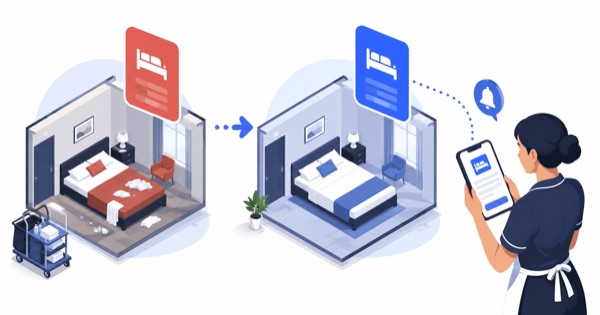
Why Every Hotel Should Automate Housekeeping Assignment After Guest Checkout
Housekeeping delays are a leading cause of late room readiness and guest complaints. Discover how automating housekeeping assignments after checkout transforms hotel operations.
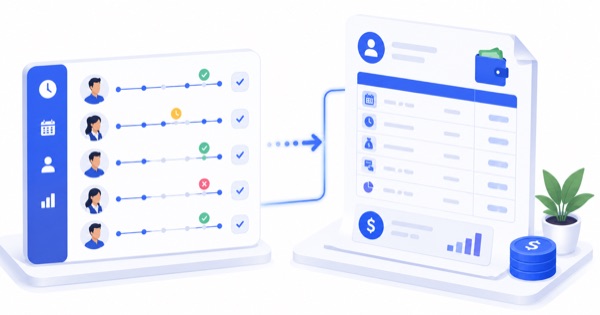
From Attendance to Payroll: Automating the Monthly Reconciliation
Once attendance and leave are tracked accurately through the shift, payroll reporting stops being a separate month-end scramble.
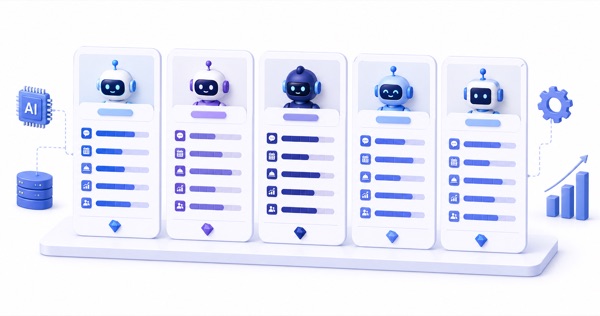
Which AI Should You Choose in 2026? Claude, ChatGPT, Gemini, Perplexity, Manus, and Grok Compared
The landscape of artificial intelligence has shifted dramatically in 2026. From autonomous command-line developers and real-time social streams to end-to-end "digital workers" and local agent control, here is how the leading AI tools compare.