OTA vs Direct Booking: The Real Trade-offs for Independent Hotels
Online travel agents bring reach; direct bookings keep the margin and the guest relationship. The smart play is not choosing one — it is using each for what it does best.
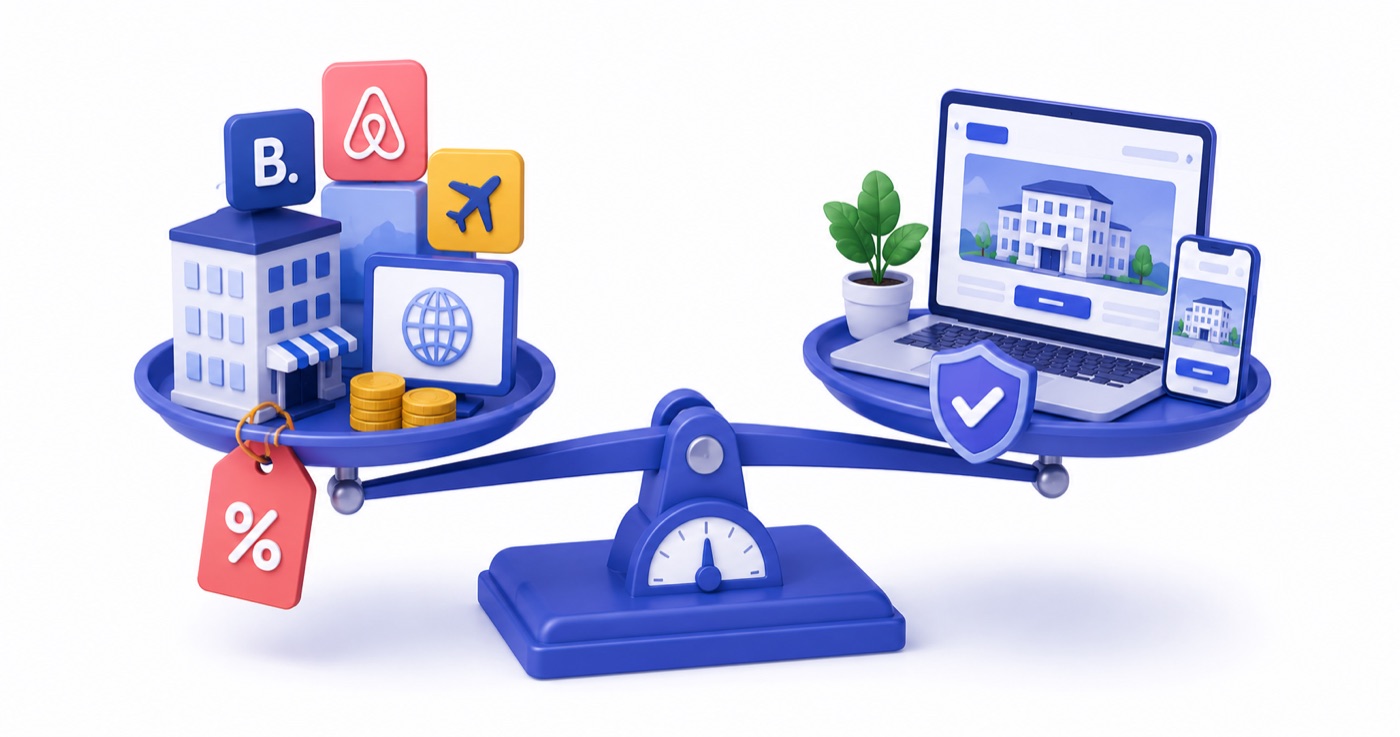
Table of Contents
The Strategic Channel Distribution Dilemma
Independent hoteliers frequently view Online Travel Agencies (OTAs)—such as Booking.com, Agoda, MakeMyTrip, and Expedia—through an adversarial lens. The 15% to 25% commission fees charged by OTAs represent a heavy drain on operating margins.
However, treating distribution as a binary choice between "100% Direct Bookings" or "Total OTA Reliance" is a strategic mistake. Successful hotel operators treat OTAs as a **Paid Customer Acquisition Funnel** rather than a permanent home for guest relationships.
The optimal strategy for independent hotels is a **Hybrid Channel Portfolio Engine**: leveraging OTA global search visibility for first-time customer acquisition, while deploying seamless direct booking incentives to convert repeat stays to 0%-commission direct channels.
---
Strategic Trade-off Matrix: OTA vs. Direct Website Engine
| Performance Domain | Online Travel Agencies (OTAs) | Direct Hotel Website Engine (Antena) |
| :--- | :--- | :--- |
| **Global Reach & Visibility** | Massive global consumer reach | Requires local SEO & brand marketing |
| **Net Revenue Margin** | ❌ 75% – 85% (15%–25% commission loss)| **100% Net Margin (0% commission)** |
| **Guest Data Ownership** | ❌ Platform owns email/phone (masked) | **Hotel owns complete CRM profile & history** |
| **Rate Parity Constraints** | ❌ Restricted under contract clauses | Allowed to offer exclusive direct perks |
| **Pre-Arrival Communication** | ❌ Restricted through platform messaging | Instant direct WhatsApp & SMS engagement |
| **Brand Loyalty & Repeats** | ❌ Low (Guest remains loyal to OTA) | **High (Direct guest repeat rate +45%)** |
---
The Billboard Effect: Converting OTA Impressions to Direct Bookings
Academic research from Cornell University highlights a powerful phenomenon known as **The Billboard Effect**:
```
[Traveler Searches Hotel on OTA (Discovery Phase)]
│
▼
[Traveler Opens New Browser Tab & Searches Hotel Name on Google]
│
▼
┌─────────────┴─────────────┐
▼ ▼
[Slow / Clunky Website] [Fast Antena Direct Engine]
(Returns to OTA) (Offers Direct Perk: Free Breakfast)
│ │
▼ ▼
(Pays OTA Commission) (Converts Direct - 0% Commission)
```
Up to **65% of travelers** who discover an independent hotel on an OTA will visit the hotel's official website before completing their booking. If your official website provides an instant, mobile-friendly booking flow with exclusive direct perks, you capture high-margin direct bookings directly from OTA search impressions.
---
3 Tactical Levers to Shift Channel Mix Toward Direct
1. Compete on Value-Add Perks (Bypassing Rate Parity)
Rate Parity agreements prevent you from listing lower public room rates on your website than on OTAs. However, parity rules **do not prohibit bundling exclusive value-add perks** on your direct booking engine:
2. Post-Stay Direct Conversion Campaigns
When an OTA guest checks out at your front desk, their verified personal email and WhatsApp number are recorded in your CRM. 14 days prior to the 1-year anniversary of their stay, send an automated WhatsApp offer:
*"Welcome back to Antena Resort! Book your return stay directly on our website using code DIRECT15 to receive 15% off plus free room upgrade."*
3. Native Channel Manager Synchronization
To prevent double bookings, your PMS must update OTA inventory in under 2 seconds whenever a direct website reservation or front-desk walk-in occurs.
---
Frequently Asked Questions (FAQ)
Q1: What is an ideal channel mix ratio for an independent 30-room hotel?
A healthy distribution target for established independent properties is **40% Direct Bookings** (Website + Walk-in/Phone), **45% OTAs** (Booking/Agoda/MMT), and **15% Corporate/Travel Agent** bookings.
Q2: Can OTAs delist a hotel for offering direct booking perks on its website?
No. OTAs monitor public room rates for parity violations, but they do not penalize hotels for offering direct-only value-adds such as free breakfast, welcome drinks, or flexible cancellation windows.
Q3: How quickly does Antena update rates across OTAs when tariffs are changed?
Antena's built-in 2-way channel manager pushes rate and inventory updates to major OTAs in real time (typically under 2 seconds), ensuring rate parity and preventing overselling during surge demand windows.
About Soumya Srivastava
Founder
Soumya is the founder of Antena. A close interest in the day-to-day realities of running hotels and restaurants, paired with a technical background, shapes how she approaches hospitality software — starting from the operational problem rather than the feature list. She writes about the business thinking behind smoother front-desk, housekeeping, and F&B operations.
Related Articles
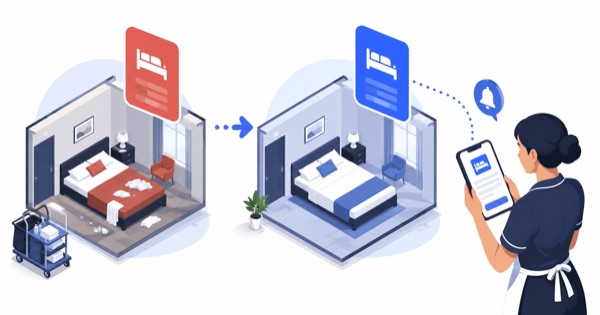
Why Every Hotel Should Automate Housekeeping Assignment After Guest Checkout
Housekeeping delays are a leading cause of late room readiness and guest complaints. Discover how automating housekeeping assignments after checkout transforms hotel operations.
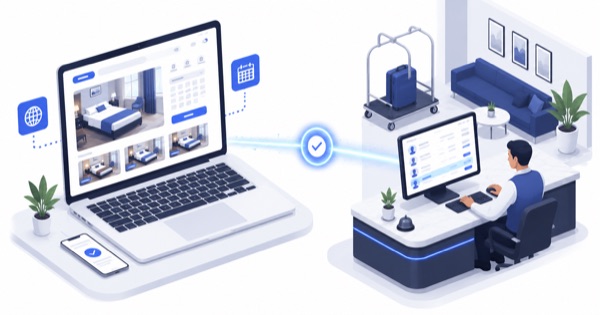
Why Hotels Lose Revenue When Their Direct Booking Website Isn't Connected to Front Desk Operations
Many independent hotels invest in a beautiful booking website but still manage reservations manually. This disconnect leads to overbookings, delayed confirmations, and pricing inconsistencies.
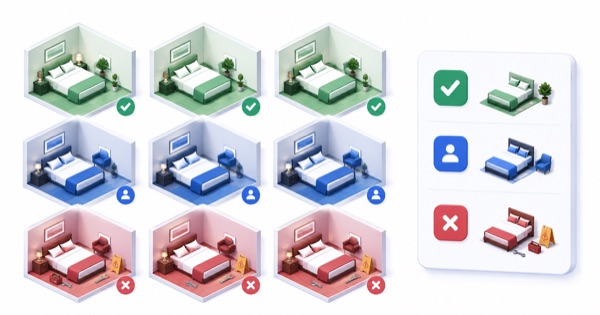
Hotel Room Status Codes Every Front Desk Should Know
VC, VD, OOO, DND — the short codes that pass a room between housekeeping and the front desk. Here is what each one means and why getting them right protects your revenue.