How to Reduce No-Shows and Last-Minute Cancellations
Every no-show is a room you could have sold. A few clear policies and well-timed touchpoints cut them dramatically — without scaring off genuine bookings.
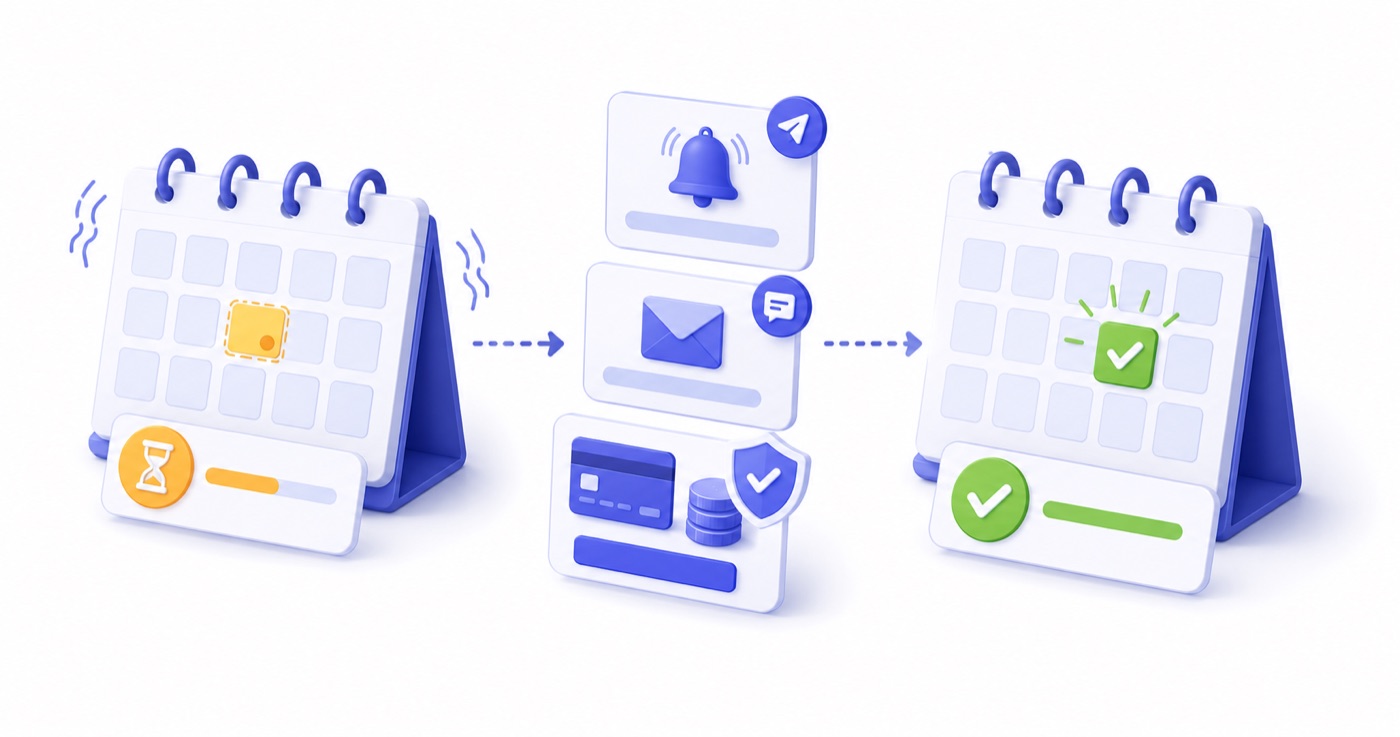
Table of Contents
The Quiet Financial Drain of Unfulfilled Reservations
A no-show—a guest holding a confirmed room or restaurant table reservation who fails to arrive without notifying management—is the single most damaging operational loss in hospitality.
When a room sits empty due to a silent no-show:
For an independent 30-room hotel operating at 75% occupancy with a typical 8% no-show rate, silent cancellations represent **nearly 70 lost room nights every month**.
---
The 5-Pillar Anti-No-Show Framework
To reduce no-shows by up to 80% without creating booking friction for legitimate travelers, hoteliers deploy a multi-layered operational framework:
```
[Anti-No-Show Operational Flow]
├── Pillar 1: Automated WhatsApp & Email Reminders (T-72h & T-24h)
├── Pillar 2: Frictionless One-Click Cancellation Links (Early Release)
├── Pillar 3: Partial Advance Deposits / Payment Gateway Holds
├── Pillar 4: Dynamic Overbooking & Real-Time Waitlist Sync
└── Pillar 5: Automatic Card Guarantee Validation via PMS
```
---
1. Automated Messaging Touchpoints
The vast majority of no-shows are not malicious—travelers simply get delayed, forget booking details, or experience schedule changes. Automated, friendly touchpoints dramatically reduce silent abandonment:
| Timing | Communication Channel | Key Message Content | Call to Action |
| :--- | :--- | :--- | :--- |
| **Instant (Booking)** | Email + WhatsApp | Branded confirmation receipt, directions, check-in policy | Add to Google Calendar |
| **T-72 Hours Prior** | WhatsApp Message | Pre-arrival welcome, room category confirmation | Confirm Arrival Time |
| **T-24 Hours Prior** | Interactive WhatsApp | Driving directions, parking info, early check-in option | One-Tap Check-In / Cancel |
| **T-2 Hours (No-Show)**| Instant SMS / Call | *"We noticed you haven't arrived yet. Is your room still needed?"* | Hold Room / Release |
---
2. Dynamic Cancellation Policy Matrix
Matching cancellation strictness to demand risk balances conversion rates against financial protection:
| Demand Tier | Cancellation Window | Deposit Requirement | Non-Refundable Discount |
| :--- | :--- | :--- | :--- |
| **Off-Peak Weekdays** | Free cancellation up to 24h prior | Credit card pre-authorization hold | 5% lower rate option |
| **Standard Weekends** | Free cancellation up to 48h prior | 1st night deposit (50%) | 10% lower non-refundable rate |
| **Peak Holidays / Events**| Non-refundable policy | 100% advance deposit via UPI/Gateway | N/A (Full payment required) |
---
3. Financial Calculation: Income Reclaimed by Cutting No-Shows
Consider an independent property operating 35 rooms at ₹4,000 ADR:
---
Frequently Asked Questions (FAQ)
Q1: Will requiring a deposit scare away prospective guests on our direct website?
Requiring a 100% deposit on standard off-peak dates can reduce booking conversion. The ideal balance is offering two rate tiers on your direct engine: a **Flexible Rate** (pay at desk with card guarantee) and a **Non-Refundable Rate** (instant 10% discount for full advance payment).
Q2: How does Antena handle automated card pre-authorizations?
When a guest books online or via phone, Antena connects with payment gateways to place a temporary pre-authorization hold on the guest's card. If the guest fails to show up past midnight without notice, the PMS automatically collects the 1-night cancellation fee.
Q3: How do interactive WhatsApp reminders allow guests to cancel early?
Antena sends automated interactive WhatsApp messages containing two buttons: **[Confirm Arrival]** and **[Cancel Stay]**. Tapping "Cancel Stay" instantly updates the front-desk tape chart to Vacant Clean/Dirty, releasing the room inventory to OTAs and walk-ins hours before nightfall.
About Anika Dhingra
Founder
Anika is a founder of Antena. She pairs a technical background with a strong interest in the technology and guest-facing side of hospitality — booking flows, automation, and the numbers that tell an owner what is actually working. She writes about using technology to take friction out of the guest experience and the teams behind it, without piling on complexity.
Related Articles
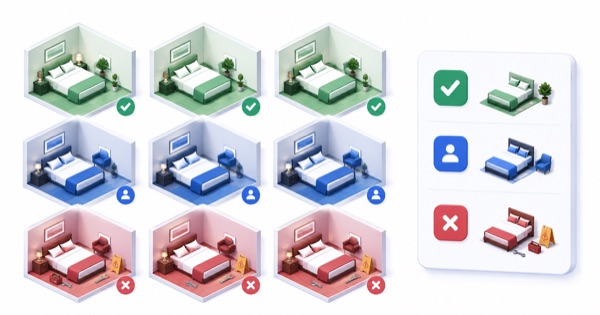
Hotel Room Status Codes Every Front Desk Should Know
VC, VD, OOO, DND — the short codes that pass a room between housekeeping and the front desk. Here is what each one means and why getting them right protects your revenue.
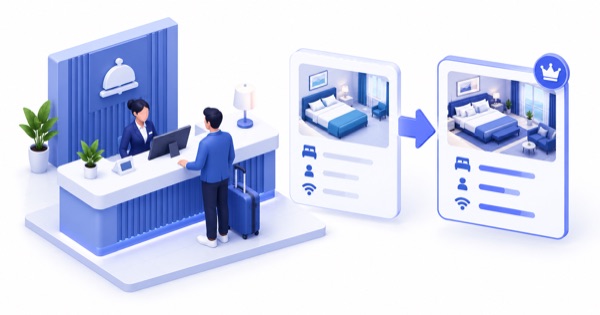
How Front-Desk Upselling Works (Without Being Pushy)
Check-in is the most underused revenue moment in an independent hotel. Done well, upselling raises revenue and guest satisfaction at the same time — here is how.
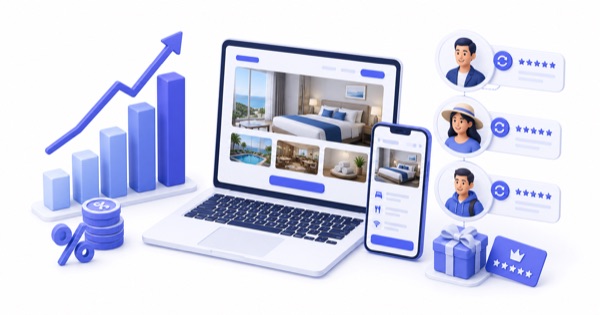
Why Your Own Website Pays Off: Direct Bookings, Bigger Margins, More Repeat Guests
Listing on travel platforms and food aggregators brings customers, but at a cost you do not control. A direct website is the one channel you own — here is what it does for revenue, for you as an owner, and how to actually drive customers to it.